About Us
- Home
- About Us
Humanely Produced Fresh Eggs!
KEGGFARMS® committedly believes that human avarice should not take precedence over animal welfare and environmental concerns, and is committed to building fair, resilient and sustainable systems which respect animals and treats them in a humane and ethical manner. It is thus that, since our inception in 1967, we have set the standard in Ethical, Cage-free, Antibiotic free and Hormone free poultry production in India, as is embodied by  .
.
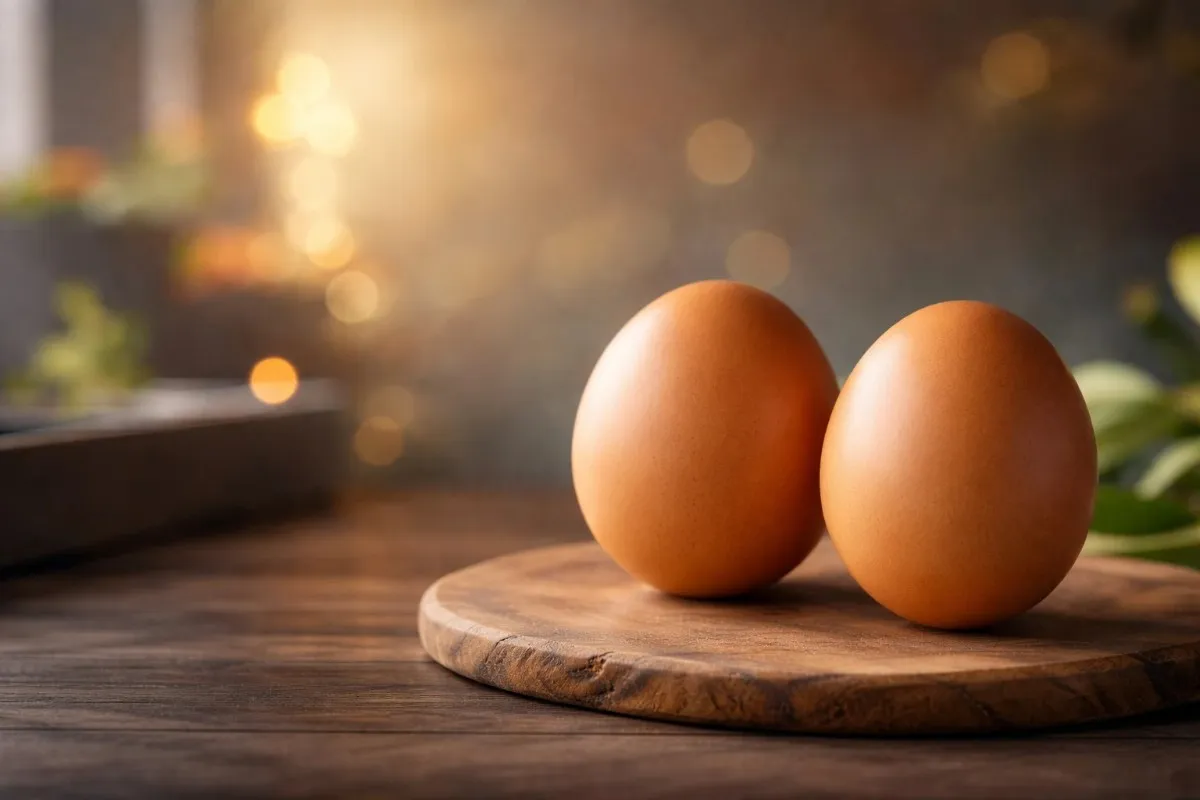
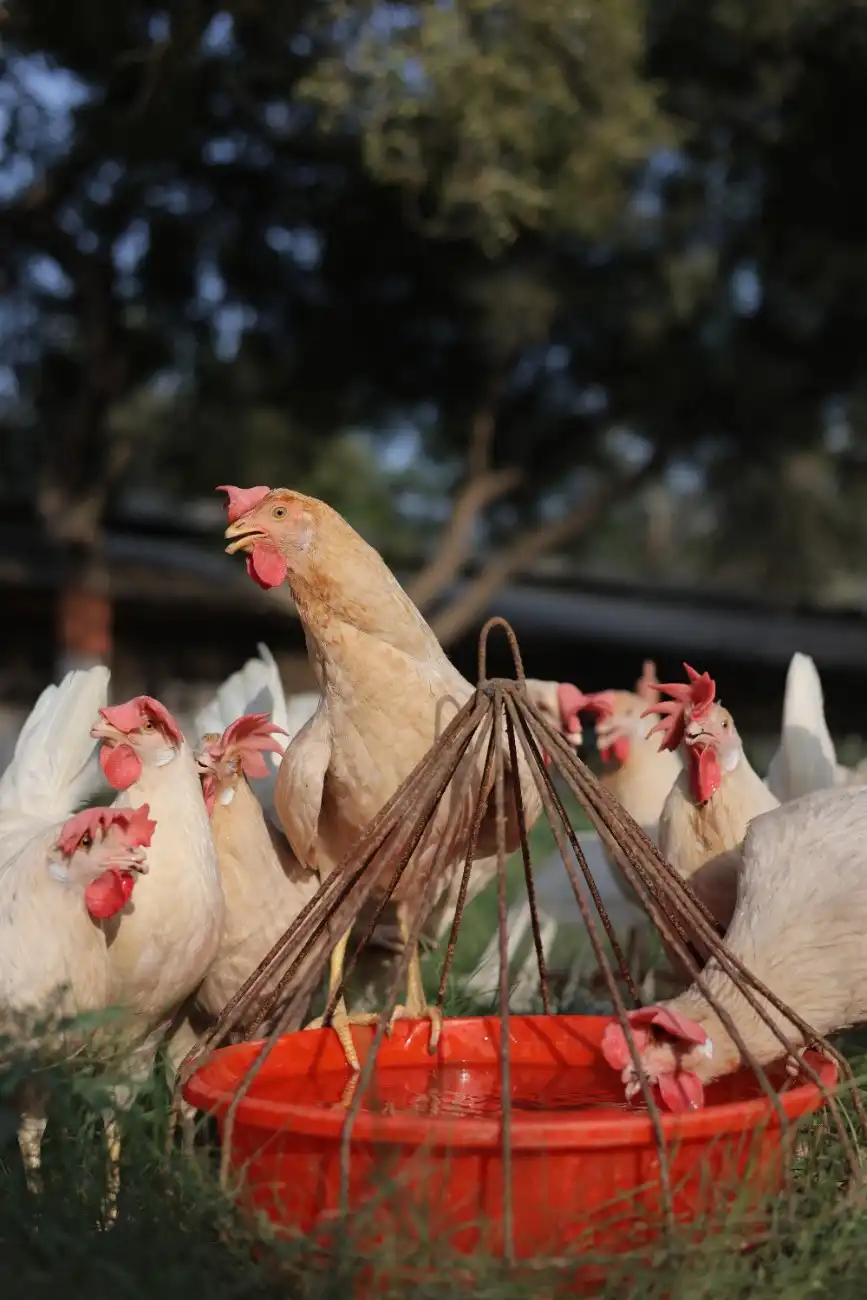
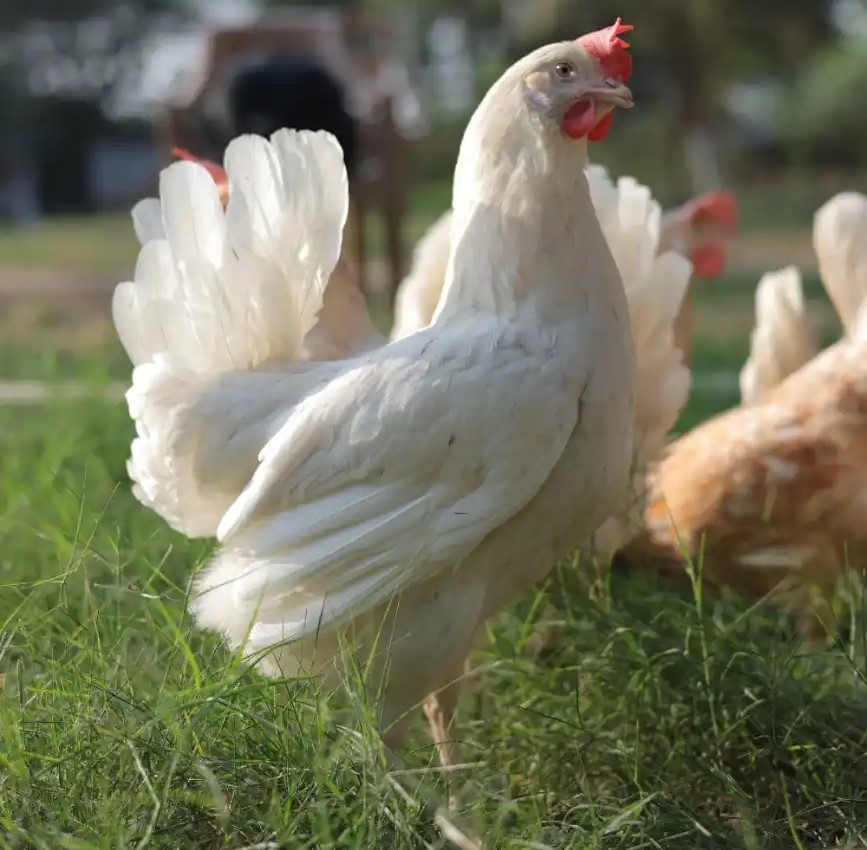
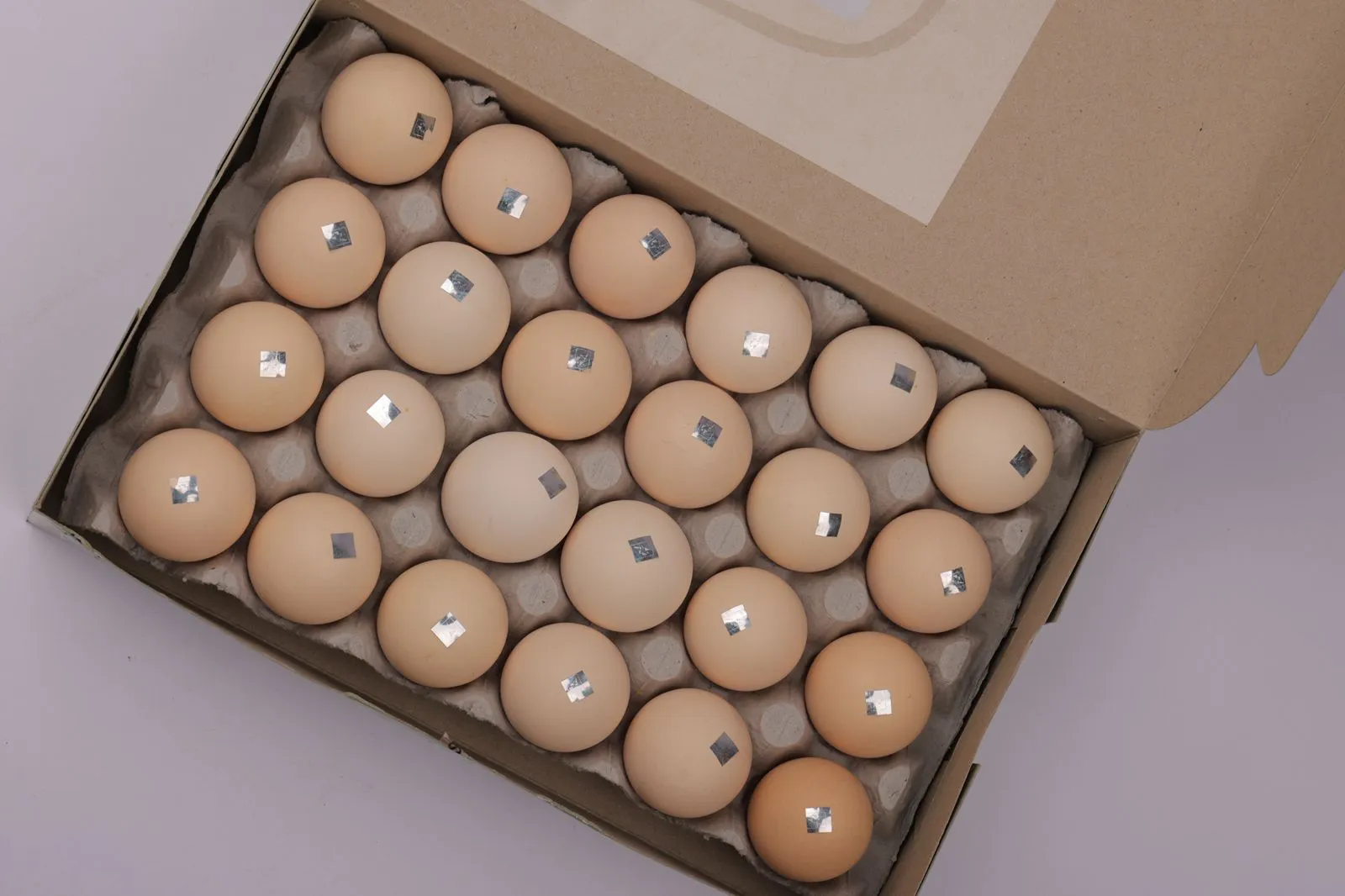
Cage Free Happy Environment
The producing hens are cared-for in an ethical manner and housed humanely on deep litter. No cages are used and management of the bird’s environment takes into account behavioural requirements and provides for sufficient free movement, fresh air and natural daylight according to the needs of the birds.
The hens are free to move and socially interact within the enclosure, unlike hens from Industrial farms that are kept in Battery Cages.
Our birds have ample access to sunlight and natural environment and perching arrangements are provided for the birds to rest. Urban nests are provided for birds to lay their eggs in a secure and private domain by .

Pioneering Cage-Free Dwelling for Hens
we realize that consumers want a choice to eat a humanely produced, high quality premium product. We know that real workers behind our success are the many hens that provide our customers, with delicious and healthy eggs. We recognize our responsibilty to take care of the animals under our charge.
FAQ's
-
1
What are Caged, Cage-free & Free Range Eggs?
Caged Eggs : Battery cages are the predominant form of housing for laying hens worldwide. They reduce aggression and cannibalism among hens, but are barren, restrict movement, prevent many natural behaviours and increase rates of osteoporosis.Densely populated birds are forced to live in very dirty,filthy & unhygienic environment to save feed,manpower,space,electricity etc.
Cage-free Eggs : Unlike battery cages, the hens are housed humanely in cage-free enclosures on deep litter.They are free to move,socially interact and rest on special wooden perches.They have ample access to sunlight and natural environment.
Free Range Eggs : Free-range eggs are eggs produced from birds that may be permitted outdoors.They have lot of free space,lot of fresh air and area for playing.They may travel in and out of the shed at free will.The chances of viral & bacteria disease is more in free range,since they can come in contact with wild birds & other animals.
-
2
What are Blood Spots ?
Occasionally found on an egg yolk. These tiny spots do not indicate a fertilized egg. Instead, they are caused by the rupture of a blood vessel on the yolk surface during formation of the egg or by a similar accident in the wall of the oviduct due to stress,frightening,disturbances etc.
-
3
What are Meat Spots ?
It's actually a little malfunction on the part of the hen. These are usually little bits of the lining of the oviduct which got shed during the egg formation but some may be rupture of a blood vessel on the yolk surface when it's being formed or by a similar accident in the wall of the oviduct. Eggs with blood spots and meat spots are fit to eat.
-
4
Why there is thick skin layer(membrane) under the shell,is it natural ?
Lying between the eggshell and egg white, these two transparent protein membranes provide efficient defense against bacterial invasion. If you give these layers a tug, you’ll find they’re surprisingly strong. They’re made partly of keratin, a protein that’s also in human hair.
-
5
Why does some egg have strong fishy odour?
Interestingly, in some hens that lay brown eggs, eating too much canola or rapeseed meal can cause a fishy smell in the eggs. Not all hens are affected by the process that causes the smell. The smell is caused by the accumulation of trim ethylamine (TMA) in the yolk. Most hens metabolize the TMA into another (odorless) compound, but brown egg layers don't do that as efficiently, so when feeding canola meal, in some cases you may end up with fishy smelling eggs.
-
6
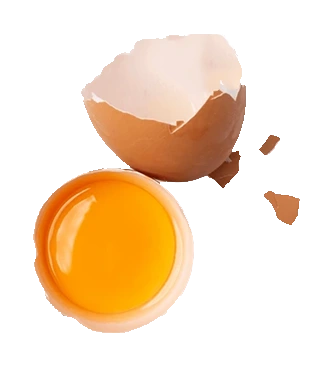
Why do some eggs have a darker Yolk?
Egg yolks range in color from pale yellow to deep orange. The color of an egg’s yolk depends solely upon the hen’s diet. The darker color of a yolk signals the presence of carotenoids, which are natural pigments found in some plants. The availability of carotenoid-rich plants for chickens’ consumption affects the “orangeness” that you see in their eggs yolks. Keep in mind that chickens should be fed a diet with plant proteins as well as vegetable and grain-based ingredients, but the presence of carotenoids in hens’ diets is the main determinant of color.
-
7
What are Desi Eggs?
Desi eggs are eggs produced by Country/Desi Chickens in India.Desi chickens are very small in size and compared to commercially raised and organic chicken, its eggs are usually small in size & they also lay very few eggs in a year. One of the most obvious differences in between commodity eggs and Desi eggs is the shell & yolk color. Desi eggs are off-whitish or a light brown in egg shell colour whereas most commodity eggs are white shelled.
-
8
Do eggs have expiry dates?
It is often noted that eggs are still good to eat long after the expiration date. The shelf life of an unrefrigerated egg is 7 to 10 days and for refrigerated egg it's about 30 to 45 days.
Wholesome & Fresh Eggs
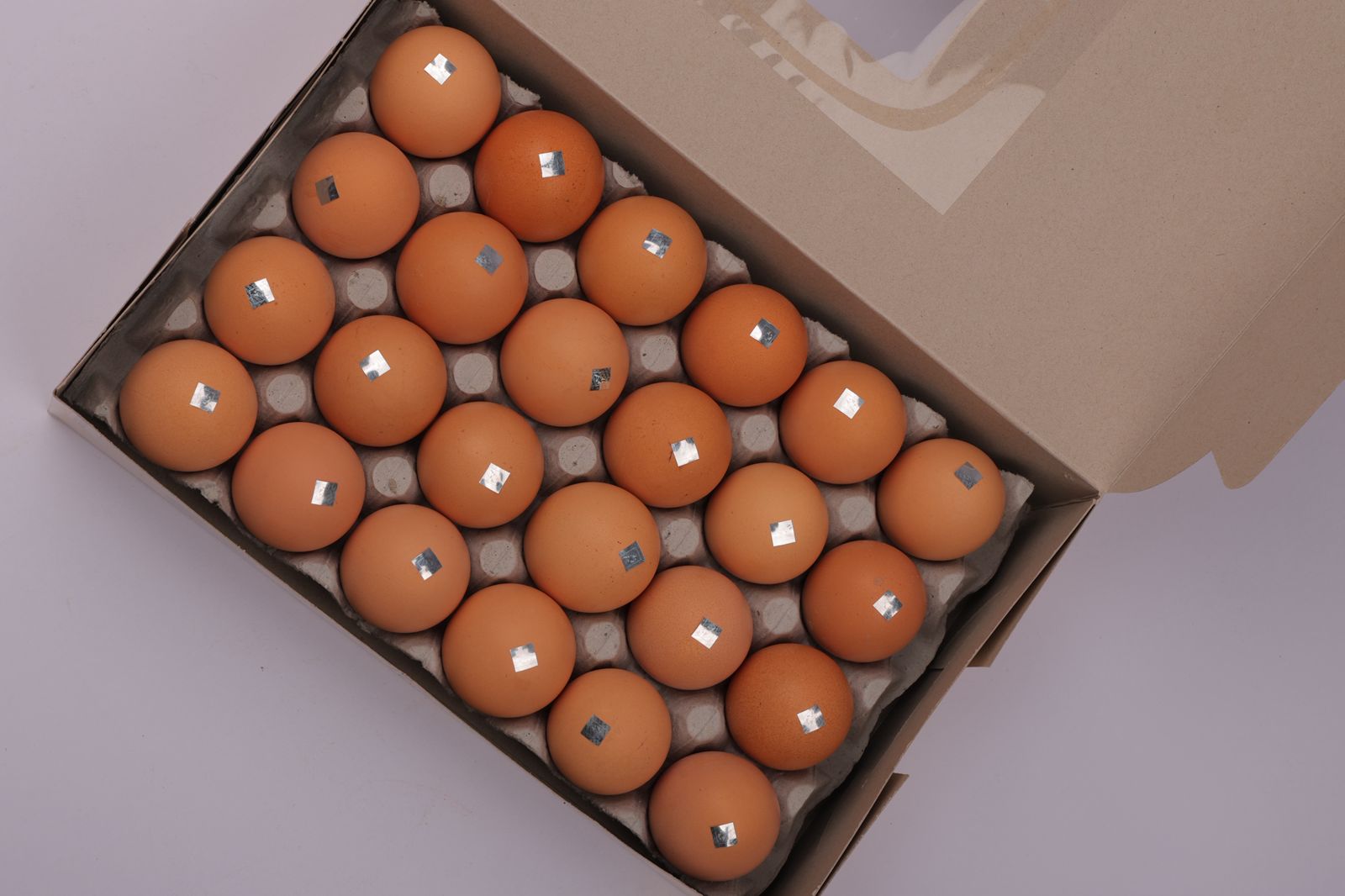
Our cage free hens, fed on a custom-formulated high quality, nutritionally rich balanced vegetarian diet, produce eggs with large, brilliant, naturally golden-yellow yolks with thick and firm whites. No artificial colors are added to diet, nor are the birds subjected to antibiotic and hormone laden feeds. The result is a delicious, wholesome, fresh, normal, healthy hen egg that dominates the Indian market as a clear market leader in the premium egg segment.
Bright Yolks
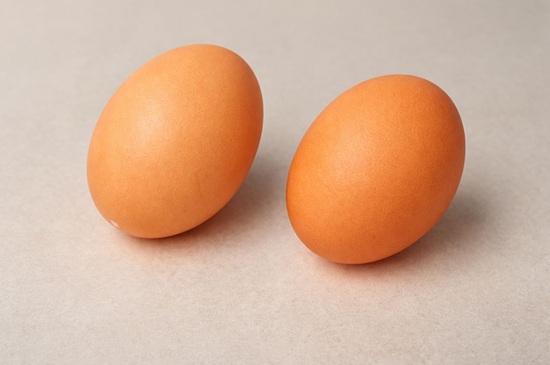
Delivered fresh from farm to retail outlets, have a deep yellow yolk, which stands firm on egg whites.
The yolk stands high and proud and the albumen is firm, ensuring three distinct layers of the egg are visible, thus demonstrating their freshness when served. are ideal for use as fried, poached and boiled eggs.
Nutritionally Rich & Balanced Diet
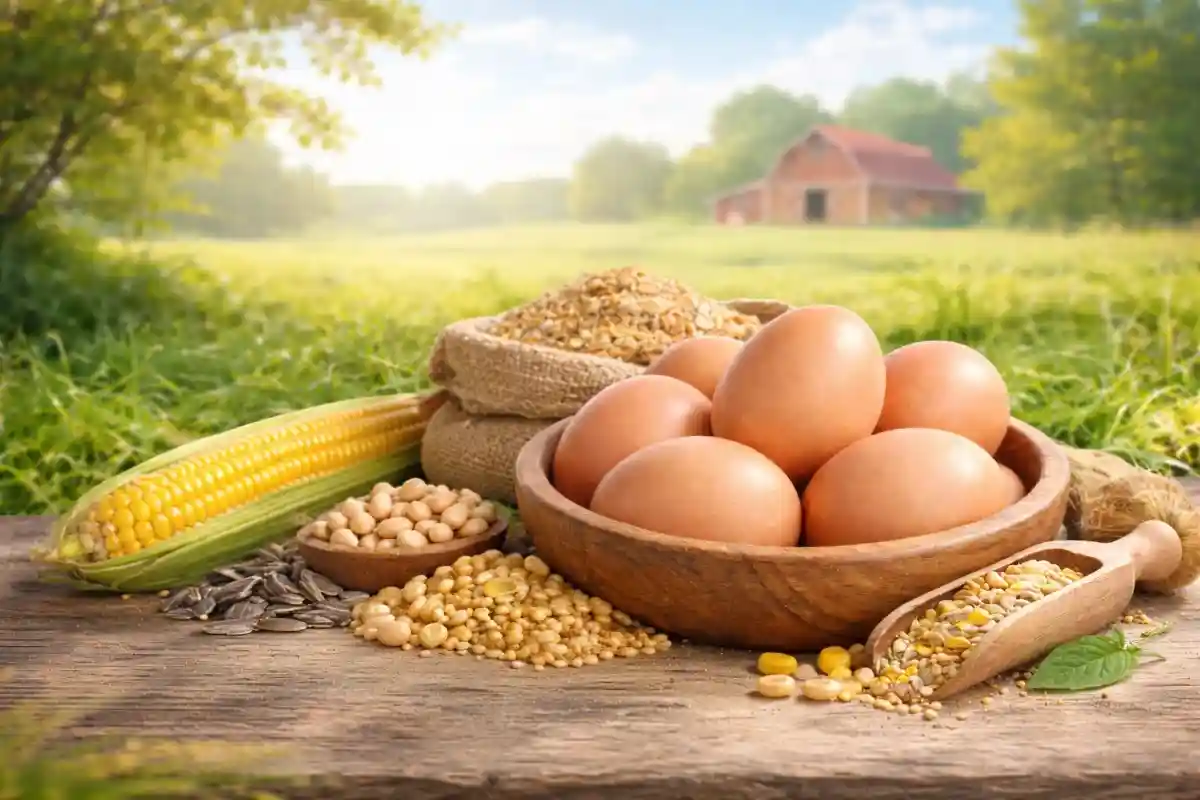
No antibiotic or synthetic colouring agents or any artificial stimulants are incorporated in the feed. The birds are fed a completely balanced nutritional diet, mixed in specialised feed mill on the farm premises.
The diet offered to our hens consists of maize, rice derivatives, soya, sunflower, limestone, vitamins and other organic plant materials. No material of animal origin is included in the feed. It has no antibiotics, hormones, growth stimulants, chemical yolk colouring pigments etc. Thus while our feed is not organically grown, it is very much chemical and antibiotic free and as such is as close to organic as practically possible.
.webp)
Distinct Unmatched Taste
have a distinctly natural wholesome taste, free from all odours and unpleasant after-taste.
.webp)
Fresh
are delivered fresh from farm directly to individual retail outlets, without using any intermediaries, in regulated quantities. Thus ensuring that they reach the consumer’s refrigerator in the freshest possible state.
Infertile
are infertile eggs produced in hygenic conditions, thus are not prone to spoilage. These eggs are laid by hens with no male present and as such will never contain any living germplasm.
To Quote Mahatma Gandhi from his essay - The Moral Basis of Vegetarianism
On the other hand, eggs are regarded by the layman as a flesh food. In reality, they are not. Nowadays, infertile eggs are also produced. The hen is not allowed to see the cock and yet it lays eggs. An infertile egg never develops into a chick.
Safe
are produced by healthy birds, free and protected from all poultry diseases including Bird Flu. Living in a natural environment keeps their resistance high and they are less prone to disease. There has never been an outbreak of Bird Flu in our farms, which are subject to routine and extensive health surveillance to ensure our flocks are safe and healthy.

KEGGFARMS® Pvt. Ltd. is the oldest private sector Poultry Breeding Organization of India, established in 1967. It is best known for pioneering genetic breeding of poultry stocks in India since 1972. KEGGFARMS is recognized by the Department of Science and Technology as a Research and Development center for Poultry Breeding since the mid- 70s.